
Why Loss Assessment coverage is such a big deal for condos right now
If you own a condo, one of the easiest ways to get blindsided is by overlooking loss assessment coverage on your condo policy. This coverage can help when your HOA charges unit owners for a shared property loss, liability claim, or deductible that gets passed down after a major claim.
Key Takeaways
- Loss assessment coverage helps when your HOA charges owners after certain covered property or liability claims.
- Many condo policies include only a small default limit, often too low for today’s HOA deductibles.
- Colorado hail, wind, water, and high master-policy deductibles make this coverage especially important.
- Loss assessment does not cover routine maintenance, reserve shortages, or every special assessment.
- The right amount depends on your HOA deductible, bylaws, unit count, and how costs are allocated.
- An independent agent can compare multiple carriers and review your condo policy alongside the HOA master policy.
If you own a condo, you need to double check your loss assessment coverage.
This is a big deal in Colorado right now.
If you have a condo, there are two insurance policies that you need to think about:
- Your HO-6 condo policy covers your unit and your personal property. This is a “walls-in” insurance policy. It covers the interior of your home. This is the policy that you need to buy.
- The HOA master policy covers the exterior of the building and other shared property. This is the insurance policy that your HOA will buy.
If your HOA has an insurance claim, you are open to financial exposure. Loss Assessment gives you very important protection.
Why condo owners need to pay attention right now
The insurance market for HOA master policies has become very challenging.
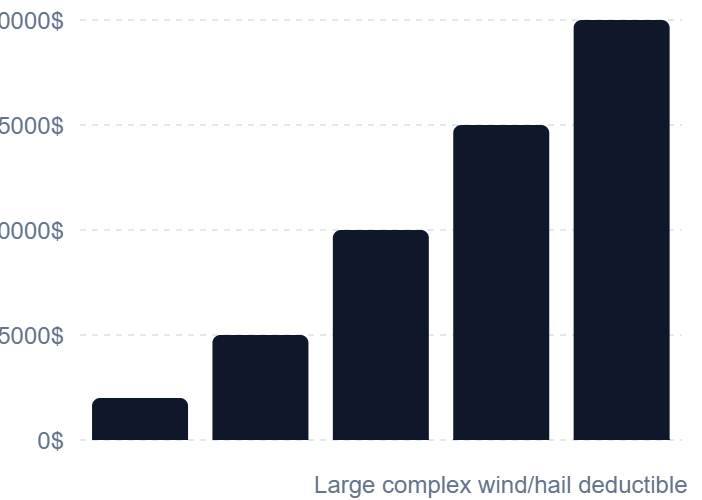
Many condo associations are carrying very large deductibles now. In some cases, those deductibles can be $1 million or more.
So think about what happens after a big hail storm.
The HOA may need to file a claim for damage to roofs, siding, windows, or other shared property. But before the master policy pays, the association may be responsible for a very large deductible.
Does the HOA have that kind of money sitting in the bank?
Sometimes the answer is no.
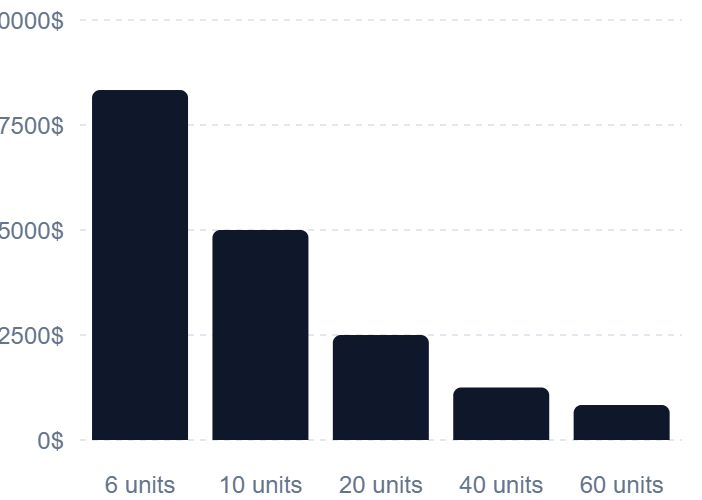
When that happens, the association may assess the unit owners and divide that cost across the community.
That is where loss assessment coverage on your HO-6 policy may become very important.
What loss assessment coverage does
Loss assessment coverage is the part of your condo policy that may help pay your share of certain covered costs when the HOA assesses unit owners after a covered loss.
That can include situations involving:
- Damage to shared property
- Liability claims involving the association
- Certain master-policy deductibles that get passed down to unit owners
Not every assessment is covered, but this is the coverage condo owners need to review closely when they could be billed after a major claim.
NOTE: Loss Assessment typically will pay when there is a covered loss, if the master HOA insurance policy doesn’t have sufficient coverage or if they can’t cover their deductible. There are more nuances to this, too, but this is generally how it works.
First: make sure you have enough loss assessment coverage
This is the first problem I see.
Many condo policies come with a very small built-in amount of loss assessment coverage, often just $1,000.
That is usually not enough for today’s condo market.
If your HOA has a very large master-policy deductible and that amount gets divided among unit owners, your share could be much higher than $1,000.
As a general rule, I think condo owners should have at least $20,000 of loss assessment coverage, and in some cases more.
The good news is that increasing this limit is often very affordable. In many cases, the added cost is only a few dollars per month.
For the protection it can provide, it is usually well worth it.
Second: watch for special limits tied to the HOA deductible
This is the part that catches people off guard.
Many HO-6 condo insurance policies have a special limitation when the loss assessment claim is related to the HOA being unable to pay its master-policy deductible.
That means your policy may show a healthy loss assessment limit, but the amount available for a deductible-related assessment may be much lower.
Example
Maybe your condo policy shows $50,000 of loss assessment coverage.
That sounds great.
But your policy may also say that if the loss assessment is the result of the HOA not being able to pay its deductible, the most the policy will pay is only $1,000.
If that restriction exists, your $50,000 limit may not help the way you think it will in one of the most common real-world condo claim situations.
That is why condo owners should not just ask, “How much loss assessment coverage do I have?”
You also need to ask whether there is a separate deductible-related cap buried in the policy language.
The question to ask your agent
Here is the exact question I would ask:
If there is a loss assessment claim resulting from the HOA not being able to pay its deductible, what is the most my policy would pay?
That question gets straight to the issue.
Because if the answer is $1,000, even though your declarations page shows a much higher loss assessment limit, that is something you need to know now, not after a hail claim.
What to review on your policy
Before you assume you are covered, review:
- Your HO-6 declarations page
- Speak with your insurance agent. NOTE: If you have your insurance through a call center, you need a local insurance agency. A call center can give you cheap insurance but they can’t give you the advice that you need! This is so important!
An INDEPENDENT insurance agent represent multiple insurance companies. This is the best way to do it!
Specifically, look for:
Final thought
This is one of the easiest condo coverages to overlook, and one of the most important to get right right now in Colorado.
If your HOA has a large deductible, you need to know two things:
- Do you have enough loss assessment coverage?
- Does your policy reduce that coverage when the assessment is tied to the HOA deductible?
If you want, Ullrich Insurance would be happy to review your current condo policy and help you find the best option to make sure you have the proper coverage.
Supporting Data
Frequently Asked Questions
What is loss assessment coverage on a condo policy?
Loss assessment coverage is part of a condo owner’s HO-6 policy that may help pay your share of certain covered costs when the HOA assesses unit owners after a property or liability loss involving shared areas or association responsibilities. It often comes into play when the association’s master policy deductible is passed down or when a covered liability claim results in costs being allocated to owners. It does not mean every HOA charge is covered, and it is always subject to policy terms and limits.
Does loss assessment coverage pay for HOA special assessments?
Sometimes, but only in specific situations. If the special assessment is tied to a covered insurance loss, such as storm damage to common property or a covered liability claim, your policy may help. If the assessment is for maintenance, deferred repairs, reserve shortfalls, code upgrades not covered by insurance, or general building improvements, loss assessment coverage usually does not apply. The source of the assessment matters more than the fact that it is called a special assessment.
How much loss assessment coverage should a condo owner carry?
There is no one-size-fits-all number. A reasonable starting point is to review the HOA master policy deductible, especially any separate wind or hail deductible, then compare that to how many owners would share the cost and what the bylaws say. In many communities, the built-in minimum limit on a condo policy is not enough. Owners in Colorado should be especially careful because hail and wind deductibles can be large. A policy review with the HOA documents in hand is the best way to choose a more realistic limit.
Is loss assessment coverage important if my condo association already has good insurance?
Yes. Even a strong HOA master policy can have large deductibles, exclusions, or situations where owners are still responsible for part of the loss. Good association insurance reduces risk, but it does not automatically eliminate the possibility of owner assessments. In fact, one of the most common reasons condo owners use this coverage is not because the HOA lacked insurance, but because the HOA had a big deductible that got passed on after a covered claim.
Will loss assessment coverage help with a hail deductible charged by the HOA?
It may, and this is one of the biggest reasons Colorado condo owners should review the coverage. If the HOA’s master policy has a wind or hail deductible and the association legally assesses owners after a covered storm loss, your condo policy’s loss assessment coverage may help up to the policy limit, subject to the policy wording. Because hail deductibles can be substantial, a low limit may leave you paying the rest out of pocket.
How do I know if my current condo policy includes enough loss assessment coverage?
Start with your declarations page and find the loss assessment limit. Then request the HOA master policy summary and insurance section of the bylaws. Look for deductible amounts, especially wind and hail, and see how owner assessments are handled. If your current limit is very low compared with a realistic share of the HOA deductible, it may be time to increase it. An independent agent can review all of that together and compare options from multiple insurance companies.
Does loss assessment coverage apply to damage inside my own condo unit?
Not directly. Damage inside your own unit is usually handled under other parts of your HO-6 policy, such as your building property coverage, personal property coverage, or loss of use, depending on the claim. Loss assessment coverage is for your share of certain covered costs assessed by the HOA. Because condo coverage is split between the association and the unit owner, both parts need to be reviewed together.
Can two condo owners in the same building need different loss assessment limits?
Yes, although they often face similar association exposure. One owner may have a policy with only the default limit while another has chosen a higher endorsement. Also, bylaws can assign costs differently in certain situations, especially when one unit is more directly connected to the cause of loss. That is why it is worth reviewing your own policy rather than assuming everyone in the building has the same protection.
Why do independent agents matter for condo insurance reviews?
Condo insurance can vary more from carrier to carrier than many people realize. As an independent agency, we are not stuck with one company or one policy design. We can compare multiple insurers, look at how each handles HO-6 coverage, endorsements, deductibles, and loss assessment options, and help match your policy to your HOA’s actual setup. That flexibility can make a big difference when you’re trying to avoid coverage gaps.
What documents should I gather before reviewing my condo coverage?
Bring your condo policy declarations page, the full policy if available, the HOA master policy summary, and the condo bylaws or insurance responsibility section. If you can also get information on recent claims or special assessments from the HOA, that helps. Those documents together usually tell the real story about whether your current limits make sense.
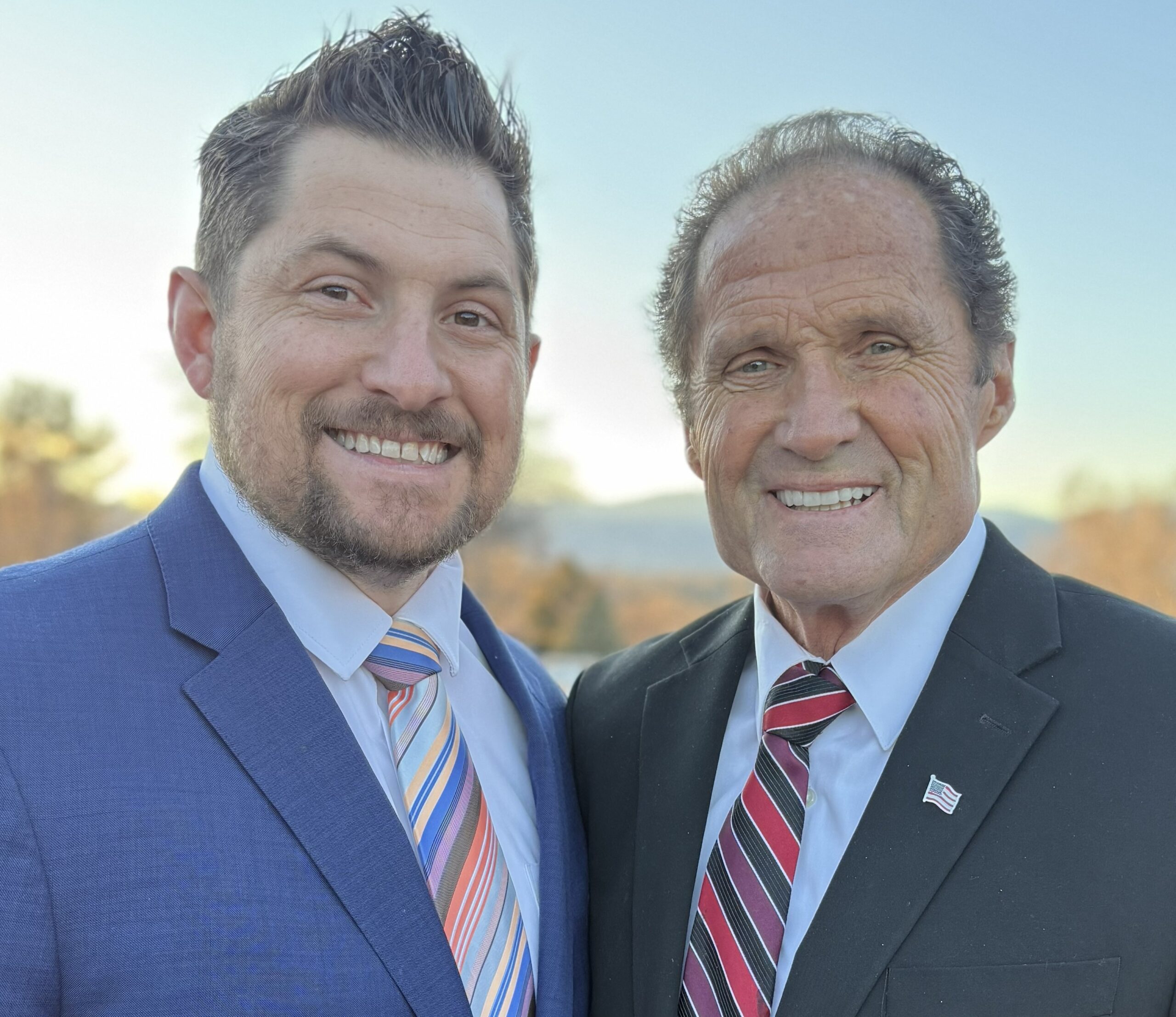
Jared Ullrich
Partner, Ullrich Insurance Agency
Jared Ullrich is the owner of Ullrich Insurance, along with his dad, Tom. Jared loves what he does and strives to make the most out of life every day. He has the best clients, the best team (team members at Ullrich Insurance), the best business partner, and he loves insurance. Jared has a wonderful wife and six kids. When he’s not helping Colorado families find the right insurance coverage, Jared is obsessed with doing cold plunges, spending time with the family, and going to the beach anytime he gets the chance.