
Wildfire Mitigation in Colorado: How to Protect Homes Near Forests, Foothills, and Mountain Communities
Updated for Colorado Homeowners | Wildfire Preparedness Guide
Colorado homeowners living near forests, foothills, or open space face a growing reality: wildfire preparedness is now an essential part of homeownership.
From Evergreen and Conifer to Boulder County, Colorado Springs, Summit County, and mountain communities across the state, more homes are located in the Wildland-Urban Interface (WUI) — areas where homes and natural vegetation meet.
The encouraging news is that Colorado offers some of the strongest wildfire mitigation resources in the country, including free professional home assessments and government-supported mitigation programs.
This guide explains exactly:
- Who to contact for a professional wildfire risk assessment
- Free Colorado resources available to homeowners
- Step-by-step mitigation actions experts recommend
- How to reduce wildfire risk and improve home survivability
🔥 Step 1 — Get a Professional Wildfire Assessment (Start Here)
Before making changes to your property, schedule a professional evaluation.
✅ Contact Your Local Fire Protection District
Many Colorado fire districts provide free wildfire risk or defensible space assessments.
These evaluations typically include:
- Property walk-through inspection
- Vegetation and tree spacing review
- Ember vulnerability assessment
- Deck, roof, and vent inspection
- Firefighter access evaluation
How to find yours
Search:
“[Your city or county] fire protection district wildfire assessment”
Or start with Colorado’s statewide preparedness resource:
👉 https://csfs.colostate.edu/live-wildfire-ready/
Fire districts serving areas like Evergreen, Boulder County, Summit County, and Douglas County actively encourage homeowners to request visits.
🌲 Colorado State Forest Service Homesite Assessments
The Colorado State Forest Service (CSFS) offers professional homesite assessments conducted by foresters.
They help homeowners:
- Evaluate wildfire exposure
- Improve forest health
- Identify hazardous fuels
- Prioritize mitigation actions
👉 https://csfs.colostate.edu/homeowners-landowners/homesite-assessments/
This is one of the most authoritative assessments available statewide.
🔥 County Wildfire Councils & Mitigation Partnerships
Many regions operate wildfire partnerships providing:
- Free property assessments
- Tree marking for thinning
- Mitigation planning
- Cost-share funding programs
Find programs near you:
👉 https://csfs.colostate.edu/live-wildfire-ready/
Common participating regions include:
- Jefferson County
- Boulder County
- Larimer County
- El Paso County
- Summit County
- Eagle County
- Routt County
🧭 Check Your Property Risk Online First
Colorado’s official wildfire mapping tool allows homeowners to see risk levels instantly.
👉 https://co-pub.coloradoforestatlas.org/
You can view:
- Wildfire hazard rating
- Fuel conditions
- Historic fire activity
- Community exposure data
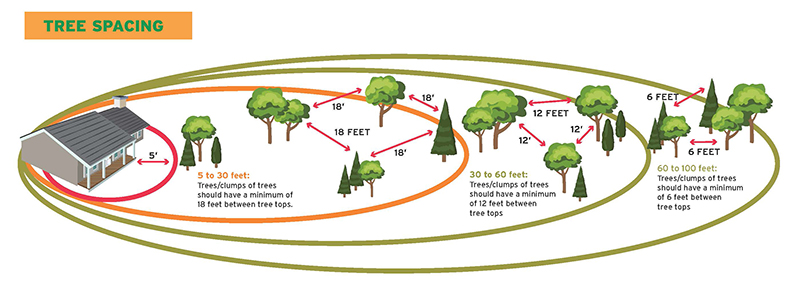
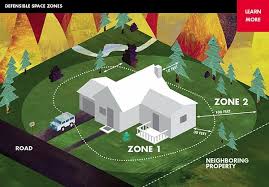
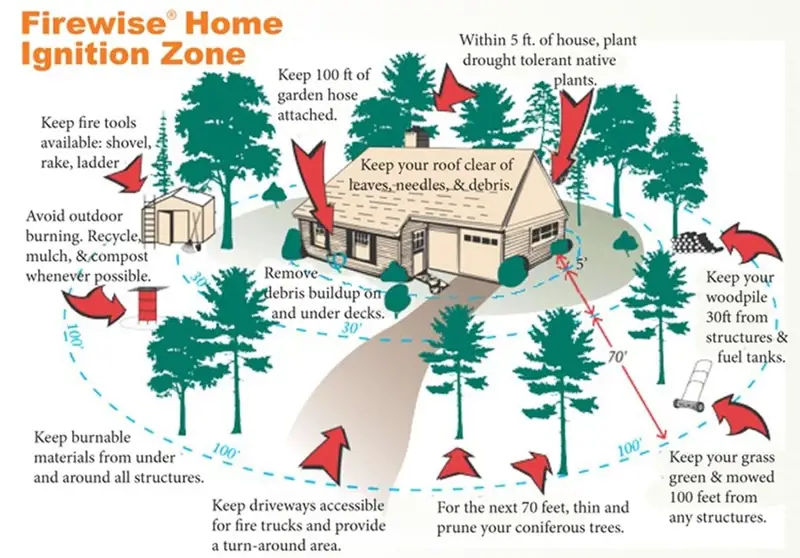
🏡 What Inspectors Evaluate: The Home Ignition Zone
4
Wildfire professionals focus on preventing ignition — not stopping fire entirely.
Most homes ignite from embers, which can travel miles ahead of a wildfire.
🌲 Step 2 — Create Defensible Space Around Your Home
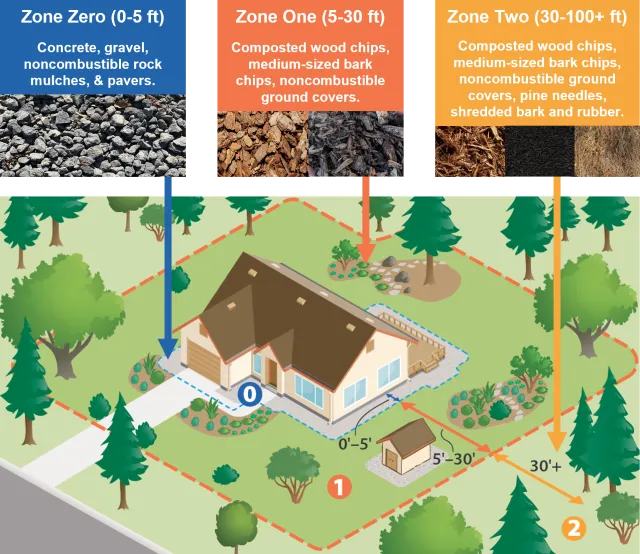
Zone 0 (0–5 Feet): Highest Priority


4
Focus closest to the structure:
- Remove pine needles and leaves
- Replace mulch with gravel or rock
- Move firewood away from home
- Avoid plants touching siding
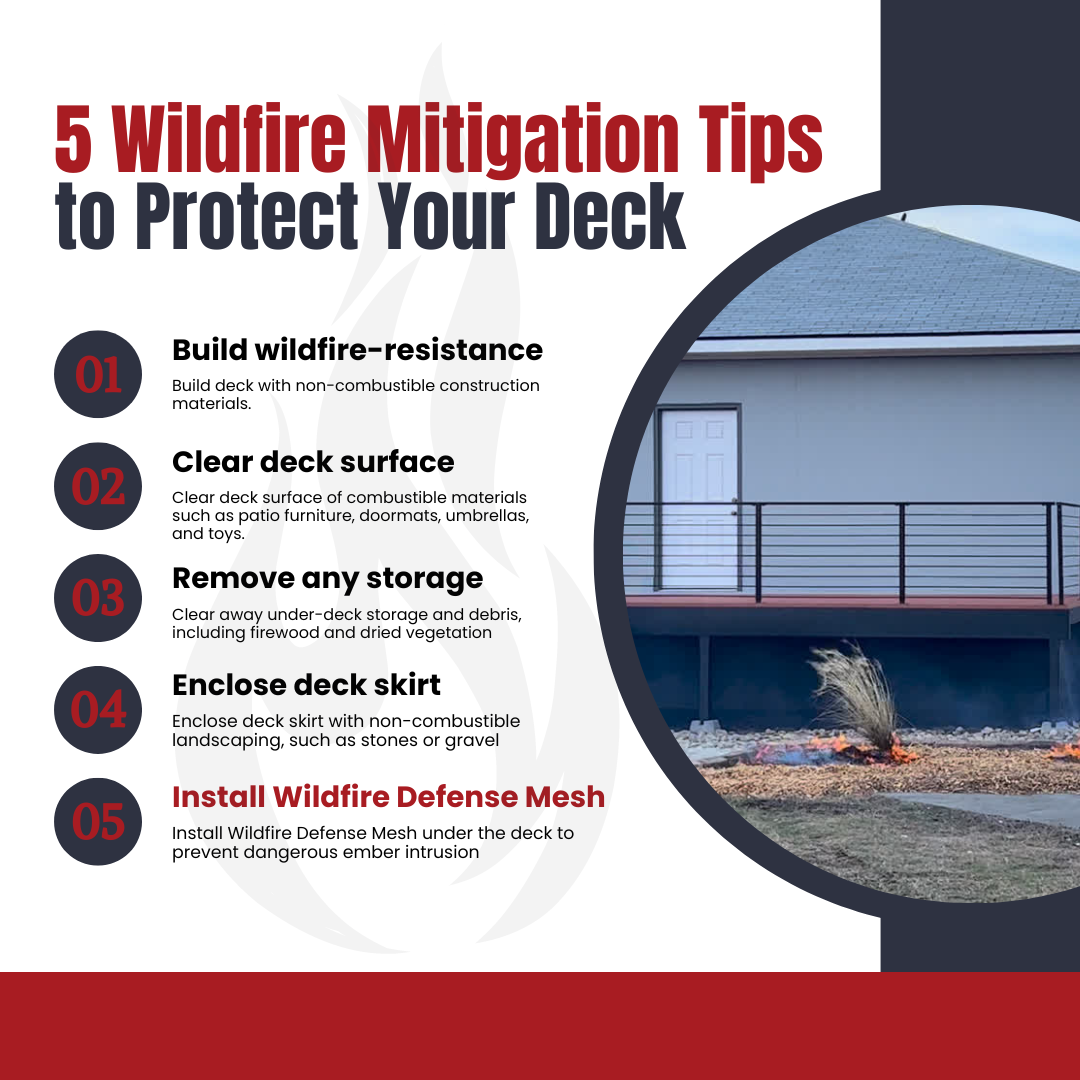
- Keep decks debris-free
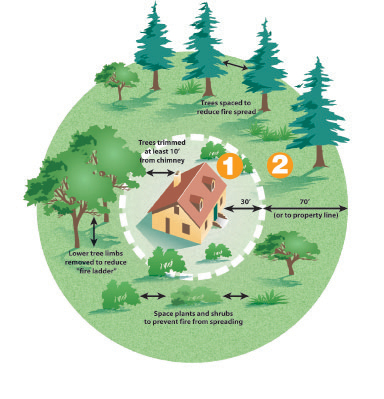
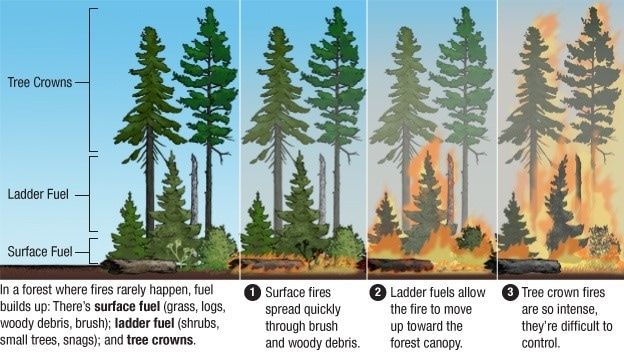
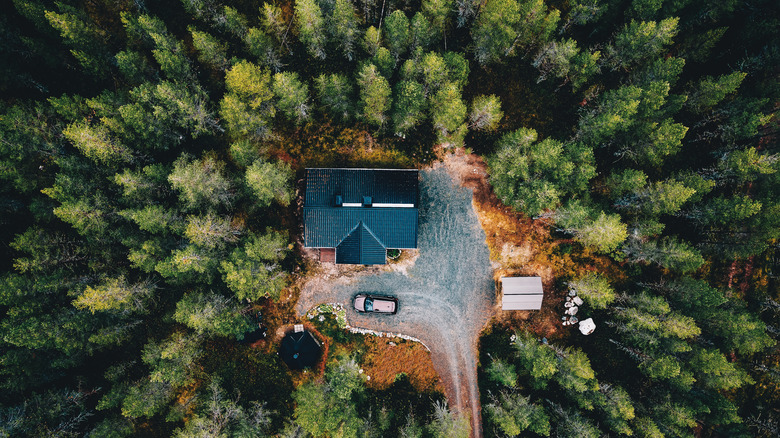
Zone 1 (5–30 Feet): Reduce Fire Intensity
4
- Space trees apart
- Remove low branches
- Break continuous vegetation
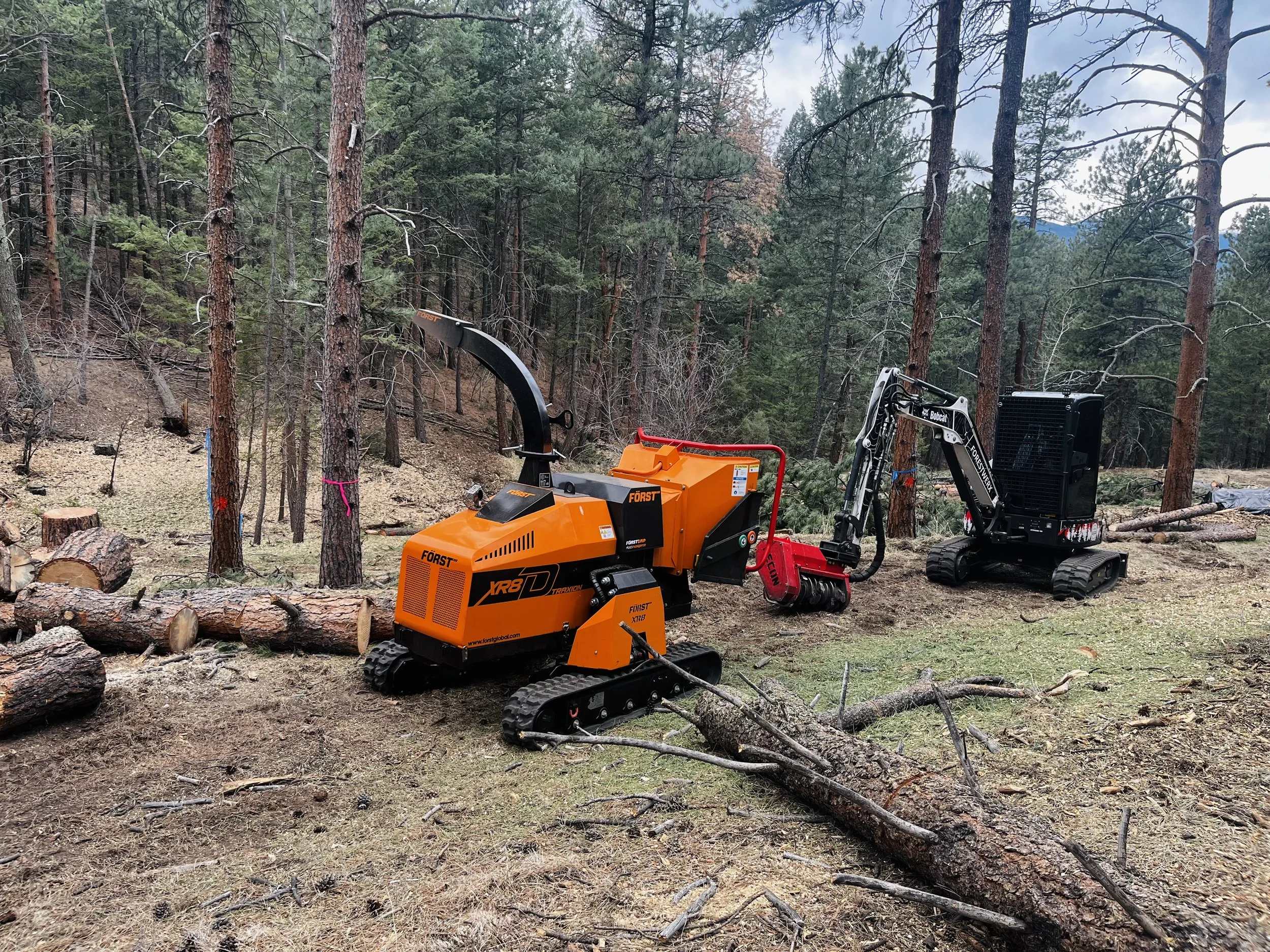
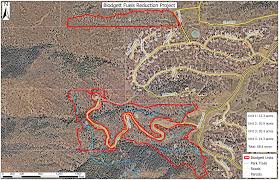
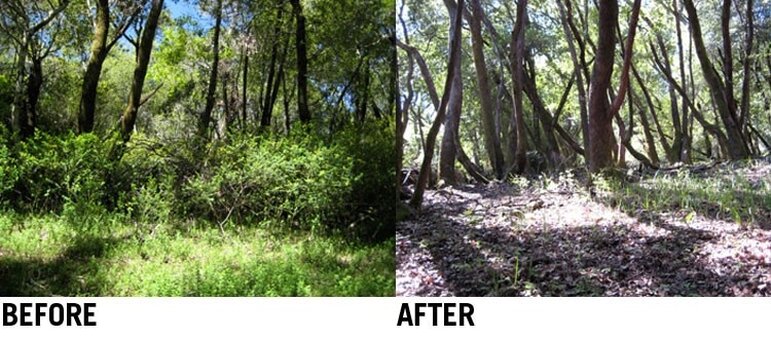
Zone 2 (30–100+ Feet): Slow Fire Spread
4
- Thin overcrowded trees
- Remove dead vegetation
- Create canopy separation
🔧 Step 3 — Harden Your Home Against Embers
4
Key upgrades:
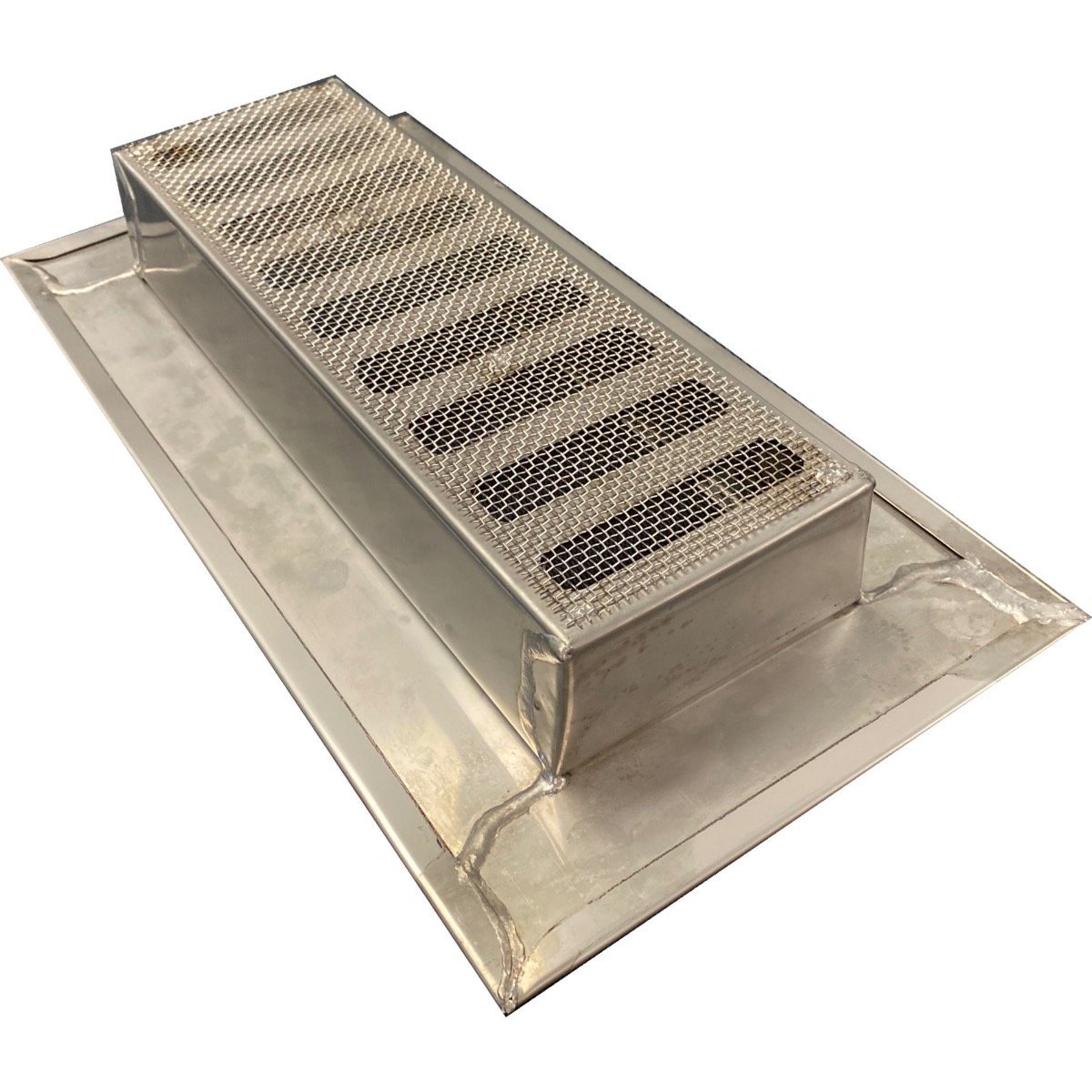
- Ember-resistant vents
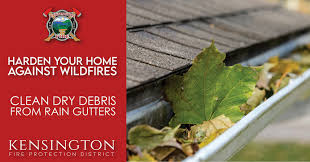
- Clean roofs and gutters
- Screen deck undersides
- Noncombustible materials near siding
- Class-A fire-rated roofing
🔁 Step 4 — Maintain Mitigation Annually
Wildfire mitigation is ongoing:
- Spring and fall cleanup
- Post-windstorm inspections
- Annual vegetation review
- Roof and gutter cleaning
Maintenance is one of the strongest predictors of home survival.
📂 Step 5 — Document Your Mitigation (Important for Insurance)
Keep records:
- Assessment reports
- Photos of improvements
- Contractor invoices
- Maintenance logs
Many insurers increasingly consider mitigation evidence during underwriting reviews.
✅ Colorado Wildfire Mitigation Quick Start Checklist
- ✔ Call your local fire protection district
- ✔ Request a CSFS homesite assessment
- ✔ Check risk using the Colorado Wildfire Risk Viewer
- ✔ Complete Zone 0 improvements first
- ✔ Maintain defensible space yearly
FAQ — Colorado Wildfire Mitigation
Can homeowners get a free wildfire inspection in Colorado?
Yes. Many fire districts and state forestry programs offer free assessments.
Should I remove all trees?
No. Mitigation focuses on spacing and fuel reduction, not clear-cutting.
Does mitigation help with homeowners insurance?
Increasingly yes. Insurers often evaluate defensible space and property maintenance.
Who should I call first?
Your local fire protection district is usually the best starting point.
Final Thoughts
Living near Colorado’s forests is part of what makes the state special. Wildfire mitigation helps homeowners protect their property while preserving the natural landscape.
Colorado provides exceptional professional support — and most homeowners can begin improving safety with a single assessment request.
⭐ Recommended Next Step
Schedule a professional wildfire risk assessment and start with improvements closest to your home — small changes can make a significant difference.

Jared Ullrich
Jared Ullrich is the owner of Ullrich Insurance, along with his dad, Tom. Jared loves what he does and strives to make the most out of life every day. He has the best clients, the best team (team members at Ullrich Insurance), the best business partner, and he loves insurance. Jared has a wonderful wife and six kids. When he’s not helping Colorado families find the right insurance coverage, Jared is obsessed with doing cold plunges, spending time with the family, and going to the beach anytime he gets the chance.