
Water Supply Lines in Your Home: The Hidden Leak Risk Many Homeowners Ignore
As the owner of Ullrich Insurance, I have seen so many water claims throught the years. This article is very important because this could be the one thing that can save you thousands of dollars and a countless number of hours. This is also something boring that people don’t want to talk about….but if you own a home, you must not ignore this! (If you’re reading this article, then congratulations, you are one of the few who are taking proactive action!)
A small water hose under your sink or behind your toilet might not look like a big deal. But when these hoses fail, they can release hundreds of gallons of water in just a few hours, causing severe damage to floors, cabinets, drywall, and personal belongings.
Many homeowners never think about these lines until something bursts.
In this guide, you’ll learn:
- What water supply lines are
- Why they are a major cause of water damage
- The different types of supply lines found in homes
- Which types are most likely to fail
- How often they should be replaced
- How homeowners can reduce their risk of water damage
- Why reviewing your homeowners insurance coverage is important
If you ever have questions about protecting your home, you can always speak with your insurance agent at Ullrich Insurance Agency.
Have you seen our comprehensive homeowner’s guide to properly maintain your home and prevent claims? Check it out here: https://www.ullrichinsurance.com/the-home-maintenance-mistakes-that-lead-to-insurance-claims-and-how-to-avoid-them-download-our-free-and-informative-guide/
What Are Water Supply Lines?
Water supply lines are the small flexible hoses that connect plumbing fixtures to your home’s water system.
They typically connect the shut-off valve in the wall to fixtures such as:
- Bathroom sinks
- Kitchen sinks
- Toilets
- Dishwashers
- Refrigerators with ice makers
- Washing machines
These hoses are usually hidden inside cabinets or behind appliances, which means they are rarely inspected.
Unfortunately, when they fail, they can cause significant water damage very quickly.
Why Water Supply Lines Matter More Than Most Homeowners Realize
Water supply lines are under constant water pressure, usually between 40 and 80 PSI, 24 hours a day.
If one of these hoses bursts, water continues flowing until someone:
- discovers the leak
- shuts off the valve
- or turns off the home’s main water supply
That means a failed supply line can release hundreds of gallons of water per hour.
Many of these failures occur when homeowners are:
- at work
- sleeping
- traveling
By the time the leak is discovered, the damage can already be severe.
We have experienced this multiple times: A client of ours goes on a trip for a few days. Before they leave, they flush a toilet. When they come back, there is over $100,000 in damage to the home. It all came from that little hose behind the toilet.
How Common Is Water Damage From Plumbing?
4
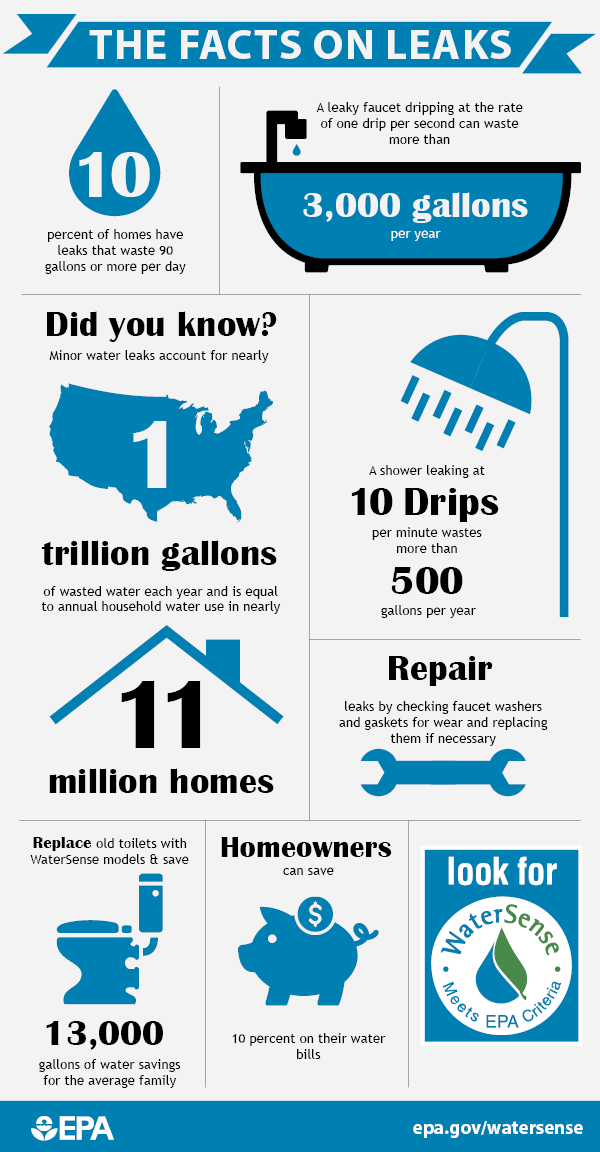
Water damage is one of the most common homeowners insurance claims in the United States.
Industry data shows:
| Statistic | Estimated Data |
|---|---|
| Homes filing water damage claims each year | ~1 in 60 homes |
| Portion of homeowners claims caused by water damage | ~20–30% |
| Average water damage claim | $11,000–$13,000 |
| Potential cost of severe plumbing failure | $25,000+ |
Flexible plumbing hoses—especially toilet and sink supply lines—are a major contributor to these claims because they are:
- inexpensive components
- often hidden
- rarely replaced
- constantly under pressure
A hose that costs $10–$20 can easily cause thousands of dollars in damage when it fails.
Is Water Damage From Supply Lines Covered by Insurance?
Many homeowners assume all water damage is covered by insurance, but coverage can vary depending on the situation.
Homeowners insurance policies often cover damage that is considered:
Sudden and accidental
Examples may include:
- A toilet supply line suddenly bursts
- A dishwasher hose unexpectedly fails
- A refrigerator water line suddenly cracks
However, homeowners insurance policies have major limitations/restrictions if damage is considered:
- gradual (slowly happening over a long period of time)
- due to neglect
- caused by long-term leakage
This is why regular inspections and maintenance are not just important, but they are critical!
If you ever want help reviewing your homeowners insurance coverage, an independent agency like Ullrich Insurance Agency can help compare policies and explain how different companies handle water damage claims.
We can review your insurance policy with you, but it is YOUR RESPONSIBILITY to always be reviewing and inspecting your home and taking action when necessary. The hard part is that we all forget to look at these little water lines and hoses throughout our home. The purpose of this article is to remind you about this.
Common Types of Water Supply Lines Found in Homes
Not all supply lines are created equal. Some older types are much more prone to failure than newer designs.
Go around your house and look at your water lines under your sinks, behind your toilets, behind your washing machine and refrigerator and dish washer. You need to understand what you’re looking at and what the risks are. This guide will help you!
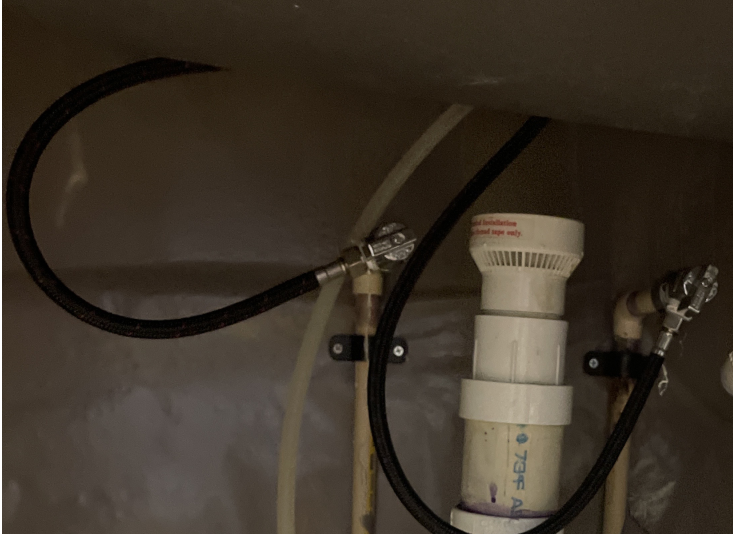
1. Plastic or Vinyl Supply Lines (Older Homes)

4
These clear or milky plastic tubes were common in homes built decades ago.
Risks
- Plastic becomes brittle with age
- More prone to cracking
- Can split suddenly under pressure
- Sensitive to temperature changes
Recommendation
Most plumbers recommend replacing these immediately if they are still installed in a home.
2. Rubber Supply Lines
4
Rubber supply lines were also commonly used in past decades.
Risks
- Rubber dries out over time
- Inner liners can deteriorate
- Can burst without warning
These hoses have been responsible for many plumbing-related water damage claims.
Recommendation
Replace older rubber hoses with modern braided stainless steel supply lines.
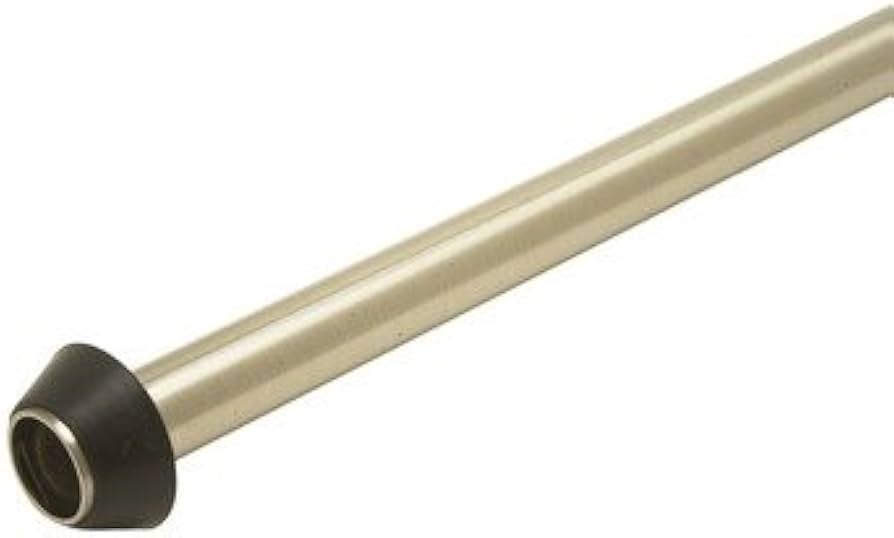
3. Rigid Copper or Chrome Tubes
4
Older homes sometimes use semi-rigid metal supply tubes.
Advantages
- No rubber liner to deteriorate
- Very durable
- Can last decades
Downsides
- Harder to install
- Must be bent carefully
- Can kink if handled incorrectly
These are usually still safe, but many homeowners replace them when updating plumbing fixtures.
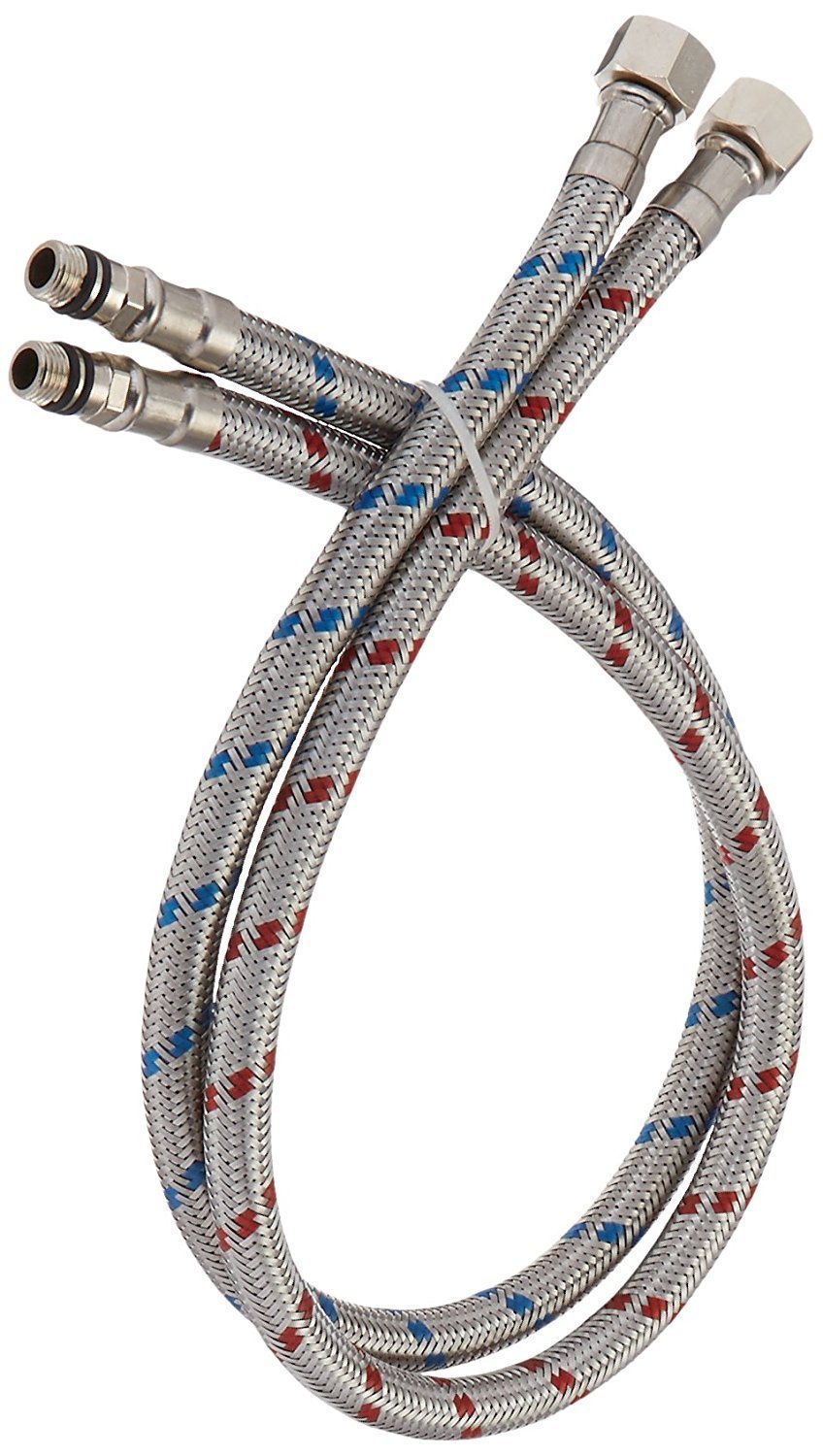
4. Modern Braided Stainless Steel Supply Lines
4
Today, the most common and recommended supply line is the braided stainless steel hose.
Advantages
- Much stronger than plastic or rubber
- Handles higher water pressure
- Flexible and easy to install
- Widely available
Important Note
Even braided stainless steel lines should typically be replaced every 5–10 years, because the inner liner can still deteriorate over time.
Comparison Chart: Supply Line Types
| Supply Line Type | Common Era | Failure Risk | Typical Lifespan | Recommendation |
|---|---|---|---|---|
| Plastic / Vinyl | 1960s–1990s | High | 10–20 years | Replace immediately |
| Rubber Hose | 1970s–2000s | High | 10–15 years | Replace |
| Rigid Copper / Chrome | 1950s–1990s | Low | 30+ years | Usually safe |
| Braided Stainless Steel | 2000s–Today | Low | 5–10 years | Best option |
Simple Steps to Reduce Water Damage Risk
Here are some easy steps homeowners can take to protect their homes.
Inspect supply lines once per year
Look for:
- rust
- bulging
- fraying
- mineral buildup
Replace flexible supply lines every 5–10 years
Even if they look fine.
Replace old plastic or rubber lines immediately
Upgrade to braided stainless steel.
Know where your shut-off valves are
Every fixture should have a shut-off valve.
Consider a whole-home leak detection system
These systems can automatically shut off water when a leak is detected.
Why Working With an Independent Insurance Agent Matters
Homeowners insurance policies vary between companies.
An independent insurance agent can help homeowners:
- understand water damage coverage
- compare multiple insurance companies
- identify potential coverage gaps
- ensure the home is properly protected
If you live in Colorado and want help reviewing your coverage, the team at Ullrich Insurance Agency can help you compare options and make sure your home is protected.
Action Items for Homeowners
Take a few minutes this week to:
✅ Check under your sinks and behind toilets
✅ Identify the type of supply lines you have
✅ Replace old plastic or rubber hoses
✅ Set reminders to replace braided lines every 5–10 years
✅ Review your homeowners insurance coverage
Small preventative steps can help avoid thousands of dollars in water damage.
Frequently Asked Questions
How long do braided stainless steel supply lines last?
Most plumbers recommend replacing them every 5–10 years, even if they look fine.
Are burst water supply lines covered by homeowners insurance?
Often they are covered if the damage is considered sudden and accidental, but coverage can vary depending on the policy.
It’s a good idea to review your coverage with an insurance professional.
How much does it cost to replace supply lines?
Most supply lines cost $10–$20 each, and replacing the supply lines in an entire home may cost less than $100 in materials.
Are washing machine hoses the same as sink supply lines?
They are similar but carry much higher water flow and should generally be replaced every 3–5 years.
How can I tell if my supply lines are too old?
If your home is more than 10–15 years old and the lines have never been replaced, it’s a good idea to inspect or replace them.
Final Thoughts
Water supply lines are small plumbing components, but when they fail they can cause major damage to a home.
Understanding the different types of supply lines and replacing older ones proactively is one of the easiest ways homeowners can reduce their risk of water damage.
If you ever have questions about protecting your home or reviewing your insurance coverage, an independent agency like Ullrich Insurance Agency can help you understand your options.

Jared Ullrich
Jared Ullrich is the owner of Ullrich Insurance, along with his dad, Tom. Jared loves what he does and strives to make the most out of life every day. He has the best clients, the best team (team members at Ullrich Insurance), the best business partner, and he loves insurance. Jared has a wonderful wife and six kids. When he’s not helping Colorado families find the right insurance coverage, Jared is obsessed with doing cold plunges, spending time with the family, and going to the beach anytime he gets the chance.