
The Home Maintenance Mistakes That Lead to Insurance Claims — And How to Avoid Them (Download our FREE and INFORMATIVE GUIDE)
By Jared Ullrich, Ullrich Insurance Agency | Arvada, Colorado
After years in the insurance business, I can tell you that the majority of homeowner claims I see aren’t the result of freak accidents. They’re the result of deferred maintenance — small things that were noticed but not dealt with, inspections that were skipped, and seasonal tasks that got pushed to “next weekend” indefinitely.
A rubber hose under the sink that was due for replacement three years ago. A gutter full of debris that directed water straight toward the foundation. A roof that was a few years past its last inspection when the first heavy snowfall hit.
None of these things are dramatic. That’s the point. They’re ordinary, preventable, and they cost homeowners — and their insurance — thousands of dollars every year.
That’s why I put together a guide I genuinely wish every homeowner I work with would read.
Introducing: The Ullrich Insurance Home Maintenance and Protection Guide 2026
This guide is for every Colorado homeowner — whether you’re in Arvada, Westminster, Lakewood, or anywhere else in the metro area. You don’t have to live in the mountains or in a wildfire zone to benefit from this. If you own a home, this guide applies to you.
It covers the maintenance tasks and protective measures that make the biggest difference when it comes to preventing claims, protecting your home’s value, and making sure your insurance is actually covering the things it’s supposed to cover.
One thing most homeowners don’t know: insurance policies have maintenance exclusions. If damage results from a slow leak or gradual deterioration that went unaddressed, your claim may be denied. Prevention isn’t just smart — it’s what keeps your coverage intact.
What’s Inside the Guide
Water Damage Prevention
Water is the number one cause of homeowner claims — and most of it is preventable. We cover hose inspection and replacement, knowing where your main water shutoff is, gutter maintenance, leak detection systems, exterior drainage, and winterizing your outdoor water systems before the first freeze.
There’s also an important note in this section about how insurance handles slow leaks — the 7-to-14-day threshold that many homeowners don’t know about until it’s too late.
Fire Safety
Smoke and CO detectors, dryer vent maintenance, kitchen fire safety, electrical panel inspections, and more. These are the basics that save lives and prevent the kind of fires that start small and spread fast.
Roof and Exterior
Your roof and exterior are your home’s first line of defense against Colorado’s weather — hail, snow, wind, and freeze-thaw cycles. We cover annual inspections, what to look for, how to handle ice dams, and why sealing foundation cracks early can save you from a much more expensive problem down the road.
Security Systems and Lighting
From monitored alarm systems (yes, there really are insurance discounts available) to motion lighting to keeping your garage door closed — small security improvements add up to meaningful risk reduction.
Windows, Glass, and Entry Points
Weatherstripping, caulking, door reinforcement, and smart lock upgrades. These aren’t just security measures — they’re energy efficiency and weather protection improvements too.
Seasonal Checklists
The guide closes with a full set of seasonal checklists — Spring, Summer, Fall, and Winter. Print them out, stick them on the fridge, and work through them each season. They’re designed to catch the things that are easy to forget until they become expensive.
Why This Matters for Your Insurance
A well-maintained home isn’t just safer — it’s more insurable. Carriers look at maintenance history when underwriting policies and processing claims. Homes that show clear signs of neglect can face higher premiums, claim denials, and in some cases, non-renewal.
On the flip side, proactive maintenance keeps your premiums competitive, your claims from being denied on technicalities, and your home in the kind of condition that holds its value.
Our job at Ullrich is to make sure your coverage matches your actual situation. If you haven’t had a policy review in the last year or two, I’d encourage you to reach out. It’s a quick conversation and it’s free.
Most homeowners find that after a policy review, they’re either paying for coverage they don’t need, or missing coverage they absolutely should have. We help you find the right balance.
Do You Own Mountain Property or Live in a Wildfire-Risk Area?
This guide is designed for all Colorado homeowners, but if your property is in or near a wildfire risk zone — mountain communities, the foothills, or the wildland-urban interface — we also put together a dedicated resource specifically for you.
Our Mountain Property Wildfire Protection Guide 2026 goes deep on wildfire science, defensible space, home hardening, ember entry points, the critical 0–5 foot non-combustible zone, Red Flag Warning day protocols, and a step-by-step guide to getting a free professional wildfire inspection. It’s a much more specific and detailed look at the unique risks that mountain homeowners face.
Both guides are available as free PDF downloads. We’d encourage you to grab whichever one applies to your situation — or both, if you own properties in different areas.
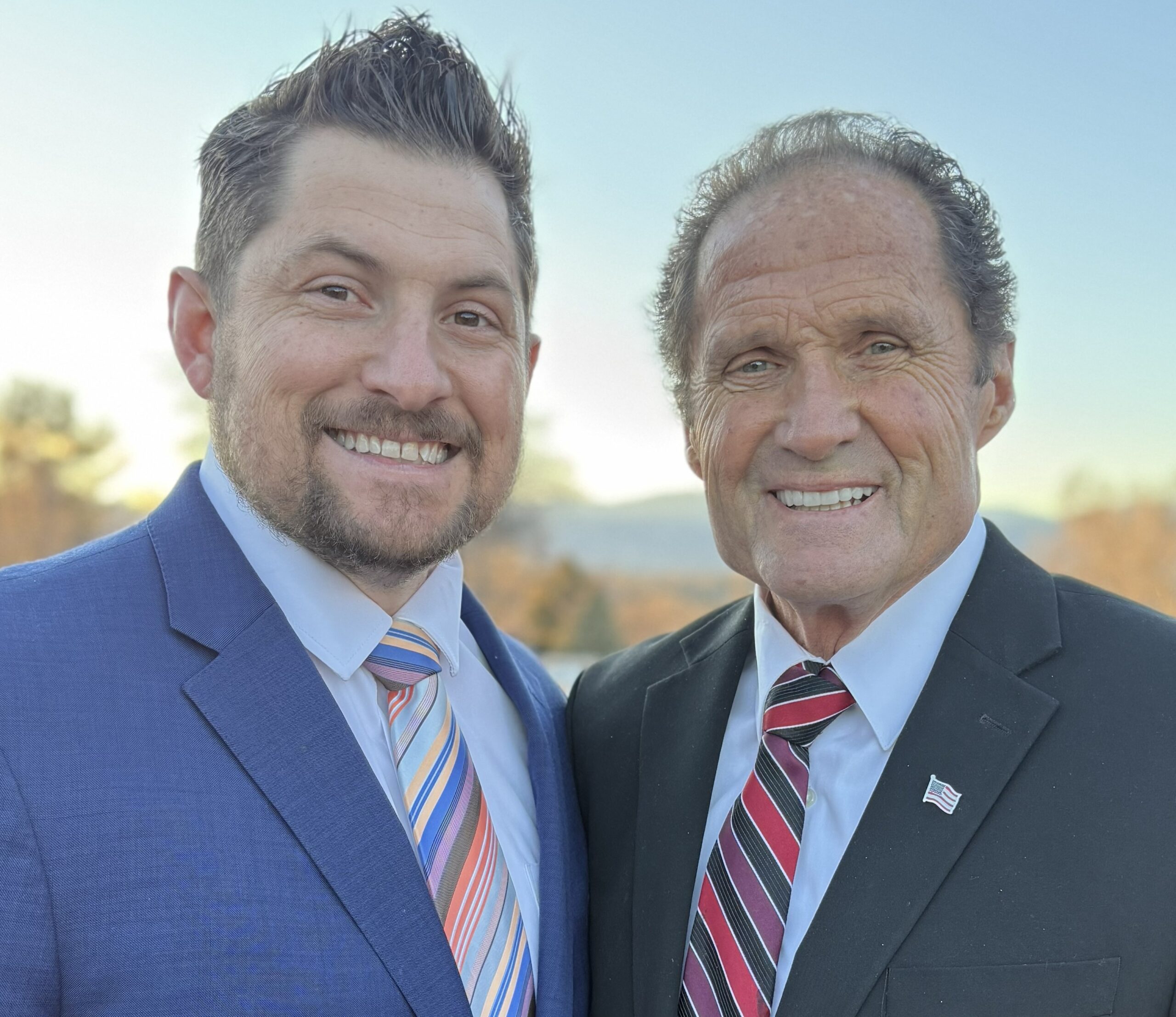
Jared Ullrich
Jared Ullrich is the owner of Ullrich Insurance, along with his dad, Tom. Jared loves what he does and strives to make the most out of life every day. He has the best clients, the best team (team members at Ullrich Insurance), the best business partner, and he loves insurance. Jared has a wonderful wife and six kids. When he’s not helping Colorado families find the right insurance coverage, Jared is obsessed with doing cold plunges, spending time with the family, and going to the beach anytime he gets the chance.