
Is Your Mountain Home Ready for Wildfire Season? Here’s What Every Mountain Homeowner Needs to Know. (Download our guide here)
I’ve been in the insurance business long enough to see what wildfires do to families — and to the homes they love. Every year, fires tear through Colorado mountain communities, and every year, we hear the same thing afterward: “I didn’t think it would happen to us.”
The hard truth is that Colorado’s wildfire risk is not theoretical. It is here. It is growing. And for mountain homeowners in particular, it is one of the most significant financial and personal risks you face.
That’s why I put together a resource I wish every one of my mountain property clients had in their hands right now.
Introducing: The Ullrich Insurance Mountain Property Wildfire Protection Guide 2026
This is a comprehensive, research-backed guide designed specifically for Colorado homeowners whose properties sit in or near wildfire-risk areas — mountain homes, foothills properties, and any home in the wildland-urban interface, the zone where developed land meets the natural landscape.
The guide covers everything from how wildfires actually spread (most people don’t know that embers — not direct flame — are responsible for the majority of home losses) to the specific actions you can take right now to dramatically reduce your risk.
The most important thing I want you to take away from this guide: most homes don’t survive wildfires by luck. They survive because the homeowner prepared.
What’s Inside the Guide
How Wildfires Spread — What You Need to Know
We start with the science, because understanding how a fire behaves is what makes every other recommendation make sense. You’ll learn about ember showers, radiant heat, ladder fuels, and why Colorado’s wind patterns make this such a serious threat.
The 0–5 Foot Zone: The Single Biggest Upgrade You Can Make
Modern wildfire research has identified the immediate 5-foot perimeter around your home as the most critical area to protect. No mulch. No bark. No wooden furniture. No door mats. This tiny zone, if hardened correctly, can mean the difference between your home surviving and burning. We give you a clear, specific list of what to remove and what to replace it with.
Defensible Space Zones (0–100+ Feet)
We walk through each zone around your property with specific, actionable guidance — from clearing dead vegetation and spacing trees, to how your driveway and access road should be maintained for emergency vehicles.
Home Hardening: Close Every Ember Pathway
Ember-resistant vents. Class A roofing. Garage door weather stripping. Wooden fence connections to the home. Most homeowners have never thought about some of these — and they are among the most common ways homes are lost. The guide also includes a Home Vulnerability Scorecard so you can see exactly where your home stands today.
Red Flag Warning Day Rules
There is a specific set of things you should and should not do on Red Flag Warning days. No mowing. No chainsaws. No parking on dry grass. We lay it all out clearly in a dedicated section so it’s easy to reference when warnings are issued.
How to Get a Free Wildfire Inspection
A lot of Colorado homeowners don’t realize this is available to them. Your local fire protection district, the Colorado State Forest Service, your county wildfire mitigation office, and Firewise USA programs can all provide free or low-cost property assessments. We walk you through exactly how to request one, step by step.
Seasonal Checklists
The guide closes with a full set of seasonal checklists — Spring, Summer, Fall, and Winter — so you always know what you should be doing and when. Print it out and put it somewhere you’ll actually use it.
A Word About Insurance
I want to be straightforward with you: physical preparation and the right insurance coverage are two completely different things, and you need both.
Many mountain homeowners are carrying policies that were set years ago and haven’t been updated to reflect current rebuild costs. Construction in mountain communities is expensive — significantly more so than in the city. If your home were destroyed today, would your policy actually cover what it costs to rebuild?
The guide includes a full section on insurance coverage for mountain properties — what to ask about, what to watch out for, and why extended replacement cost coverage matters so much in this environment.
If you haven’t had a policy review recently, I’d encourage you to reach out. It’s a conversation that costs nothing and could make an enormous difference.
Also Relevant: A Guide for Every Colorado Homeowner
This wildfire guide is designed specifically for mountain and high-risk properties. But if you own a home in the Denver metro area, the suburbs, or anywhere that isn’t directly in a wildfire zone, we also put together a separate resource for you.
Our Home Maintenance and Protection Guide 2026 covers the full range of home protection tips that apply to any Colorado homeowner — water damage prevention, roof and exterior maintenance, fire safety, security, windows, and doors. It also includes the same seasonal checklist system so you’re never caught off guard by something that could have been caught early.
Whether your home is in the mountains or the suburbs, we want to make sure you have the tools to protect it.
The Ullrich Insurance Mountain Property Wildfire Protection Guide 2026 is available as a free PDF download. Share it with your neighbors, your family members who own mountain property, and anyone you know who lives in a fire-risk area.
Wildfire preparedness is a community effort. The more prepared your neighborhood is, the better the odds for everyone.
Questions? I’m always happy to talk through your specific situation.
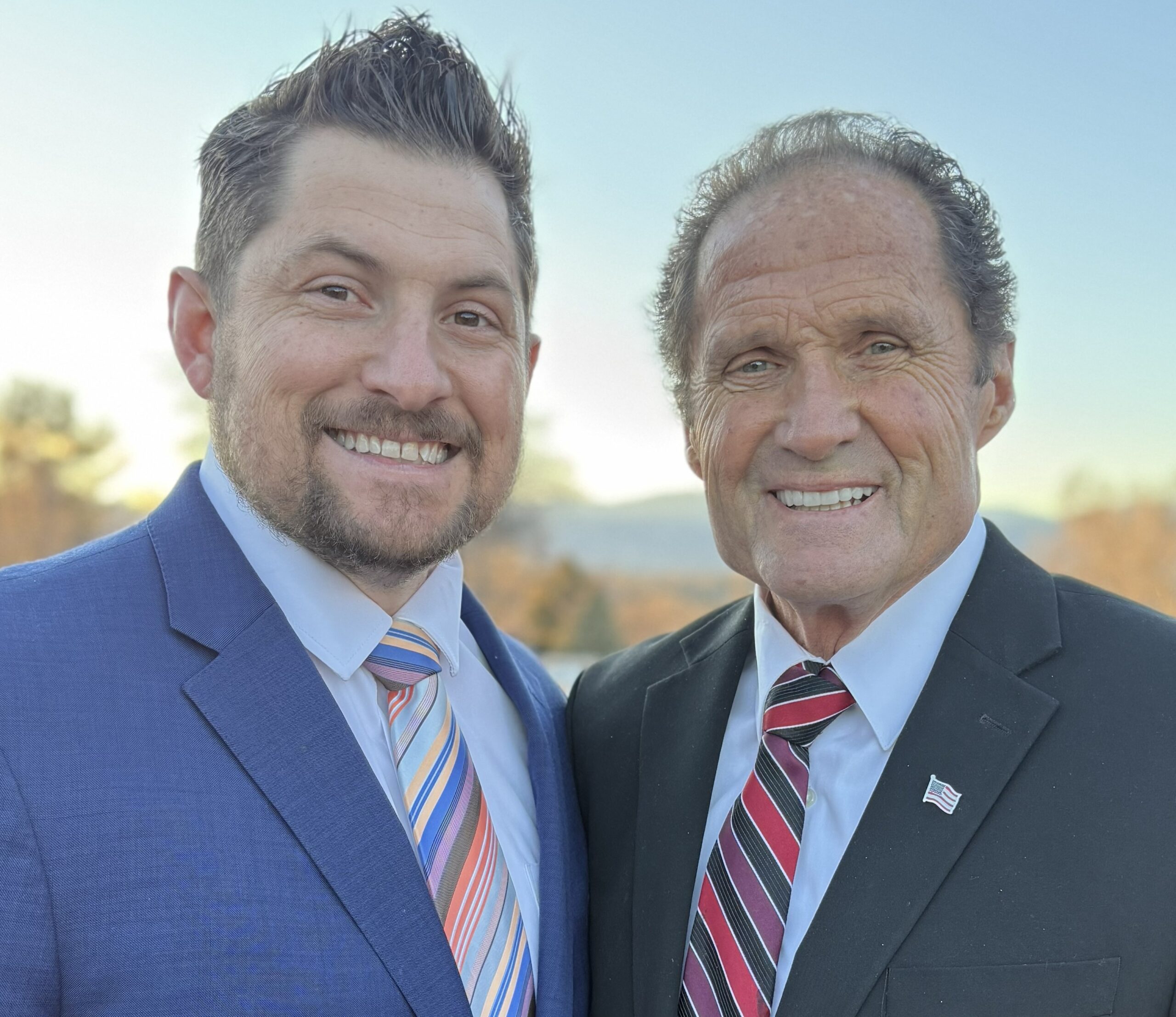
Jared Ullrich
Jared Ullrich is the owner of Ullrich Insurance, along with his dad, Tom. Jared loves what he does and strives to make the most out of life every day. He has the best clients, the best team (team members at Ullrich Insurance), the best business partner, and he loves insurance. Jared has a wonderful wife and six kids. When he’s not helping Colorado families find the right insurance coverage, Jared is obsessed with doing cold plunges, spending time with the family, and going to the beach anytime he gets the chance.