
Flood Insurance in Colorado: NFIP vs Private Companies
We don’t need flood insurance here in Colorado…..right? We don’t have hurricanes. We’re not Florida. We’re not Louisiana.
Did you know that Colorado has experienced some of the most devastating flooding events in the country — including the 2013 Front Range floods that caused nearly $4 billion in damage.
The reality is simple: If it can rain, it can flood.
Homeowners insurance does not cover flood damage, so if you’re considering flood insurance, the next question becomes: Should you go with NFIP or a private flood insurance company?
Let’s break it down.
What Is the NFIP?
The National Flood Insurance Program (NFIP) is a federal program managed by FEMA. It was created because private insurance companies historically avoided flood coverage due to the catastrophic risk. One big flood could wipe out a homeowners insurance company and make homeowners insurance much more expensive for everyone.
NFIP policies are:
- Backed by the federal government
- Standardized nationwide
NFIP Coverage Limits
For residential properties:
- $250,000 for the dwelling
- $100,000 for personal property
- Separate deductibles for building and contents
For many Colorado homes, especially in areas like Arvada, Westminster, Lakewood, and the foothills, $250,000 may not fully cover rebuilding costs. These limits are very restrictive! A NFIP policy is backed by the federal government…but there are some big coverage restrictions!
What Is Private Flood Insurance?
Private flood insurance is offered by non-government insurance carriers.
Over the last several years, private flood markets have grown significantly, especially in states like Colorado where flood risk is often moderate rather than coastal-catastrophic.
Private policies can offer:
- Higher dwelling limits (often up to $1M+)
- Higher contents limits
- Additional living expenses (NFIP does not cover this)
- In most cases….LOWER INSURANCE PREMIUMS
Private flood has become a strong option for many homeowners.
How Rates Are Determined
NFIP now uses something called Risk Rating 2.0.
Instead of strictly relying on flood zones (like Zone AE or Zone X), FEMA now considers:
- Distance to water
- Elevation
- Replacement cost
- Flood frequency
- Foundation type
Private carriers use their own modeling systems and sometimes price more aggressively in moderate-risk areas.
That means:
Two homes in the same neighborhood can have very different premiums.
Private flood insurance companies compete with each other. They compete on price and coverage. This means that you can usually get much better pricing and coverage through private flood insurance companies. The downside of private companies is…..they are not backed by the federal government. How much do you care about that? Some people do, some people don’t.
When NFIP Might Make More Sense
NFIP may be a better fit if:
- The private market has underwriting restrictions
- You want federally backed stability
NFIP policies are predictable and widely accepted by mortgage companies.
When Private Flood Might Be Better
Private flood often makes sense when:
- You want higher coverage limits
- You want loss-of-use coverage
- The NFIP premium is high compared to private options
In Colorado, we often see private flood policies that are:
- Less expensive than NFIP in Zone X
- More comprehensive in coverage
But every situation is different.
Do You Need Flood Insurance in Colorado?
Here’s something most people don’t realize:
Over 20% of flood claims nationwide come from properties outside high-risk flood zones.
You are statistically more likely to experience a flood than a fire.
In Colorado, flood risks include:
- Snowmelt
- Burn-scar runoff from wildfires
- Flash flooding
- Urban drainage overflow
- Creek and river overflow
If your home is anywhere near:
- A creek
- An irrigation canal
- A drainage basin
- A burn scar
- A foothill area
Flood insurance deserves serious consideration.
The Smart Approach
The best way to evaluate flood insurance is simple: Talk with your INDEPENDENT insurance agency who can give you guidance.
- Pull the official FEMA flood zone
- Compare private flood pricing
- Review coverage differences
- Choose the best combination of protection and cost
Flood insurance is not one-size-fits-all.
Final Thoughts
Flood damage is one of the most financially devastating losses a homeowner can experience — because without flood insurance, there is no coverage.
Colorado is not immune to flooding.
The real question is not:
“Am I required to have flood insurance?”
The better question is:
“Could I afford to rebuild if a flood damaged my home?”
If you’d like help reviewing your flood zone and comparing NFIP vs private flood options, we’re happy to walk through it with you.
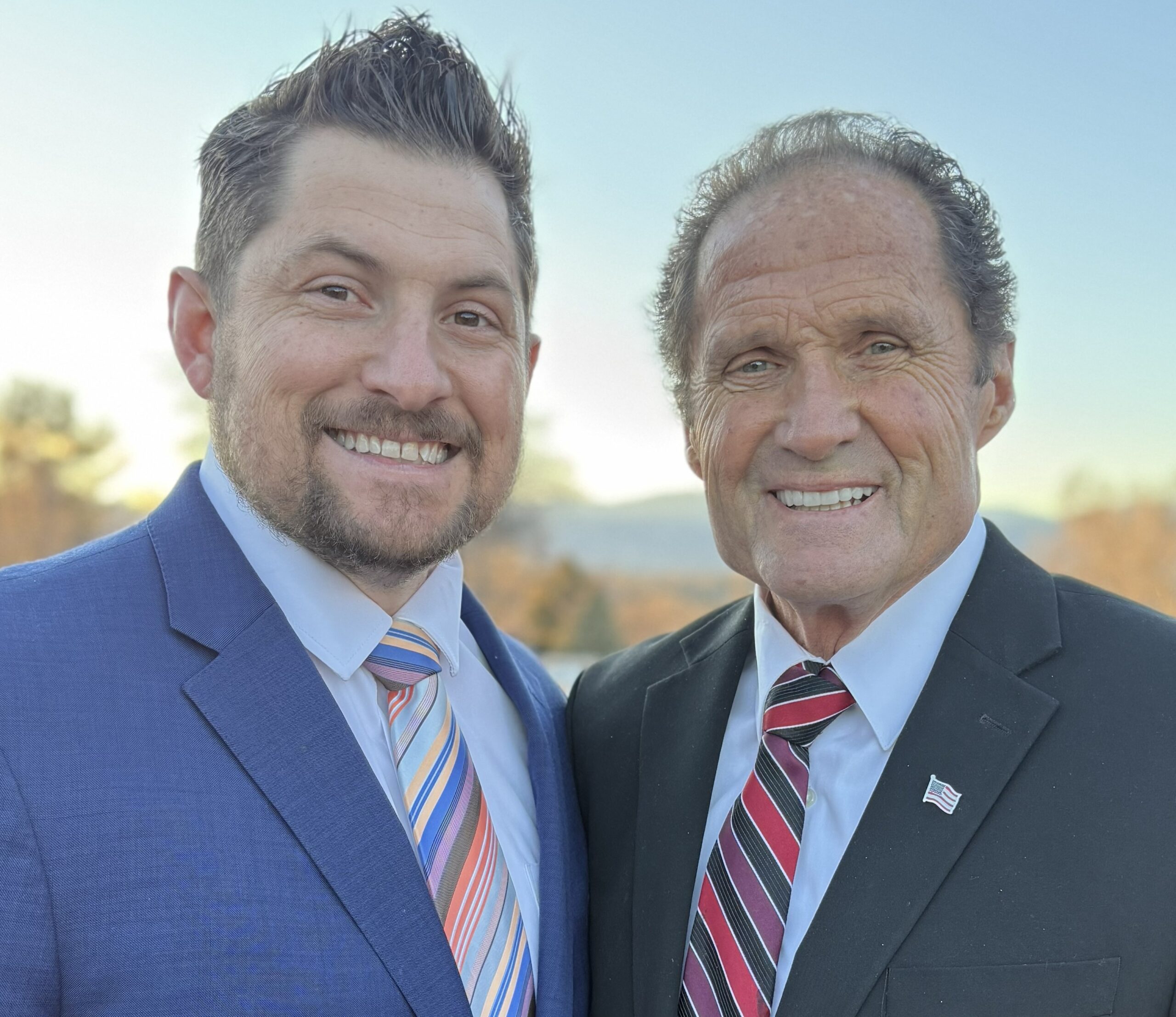
Jared Ullrich
Jared Ullrich is the owner of Ullrich Insurance, along with his dad, Tom. Jared loves what he does and strives to make the most out of life every day. He has the best clients, the best team (team members at Ullrich Insurance), the best business partner, and he loves insurance. Jared has a wonderful wife and six kids. When he’s not helping Colorado families find the right insurance coverage, Jared is obsessed with doing cold plunges, spending time with the family, and going to the beach anytime he gets the chance.